Pool Water Chemistry & Chemical Balancing: A Complete Guide for Perth & WA Pool Owners
15min read
Pool Water Chemistry & Chemical Balancing: A Complete Guide for Perth & WA Pool Owners
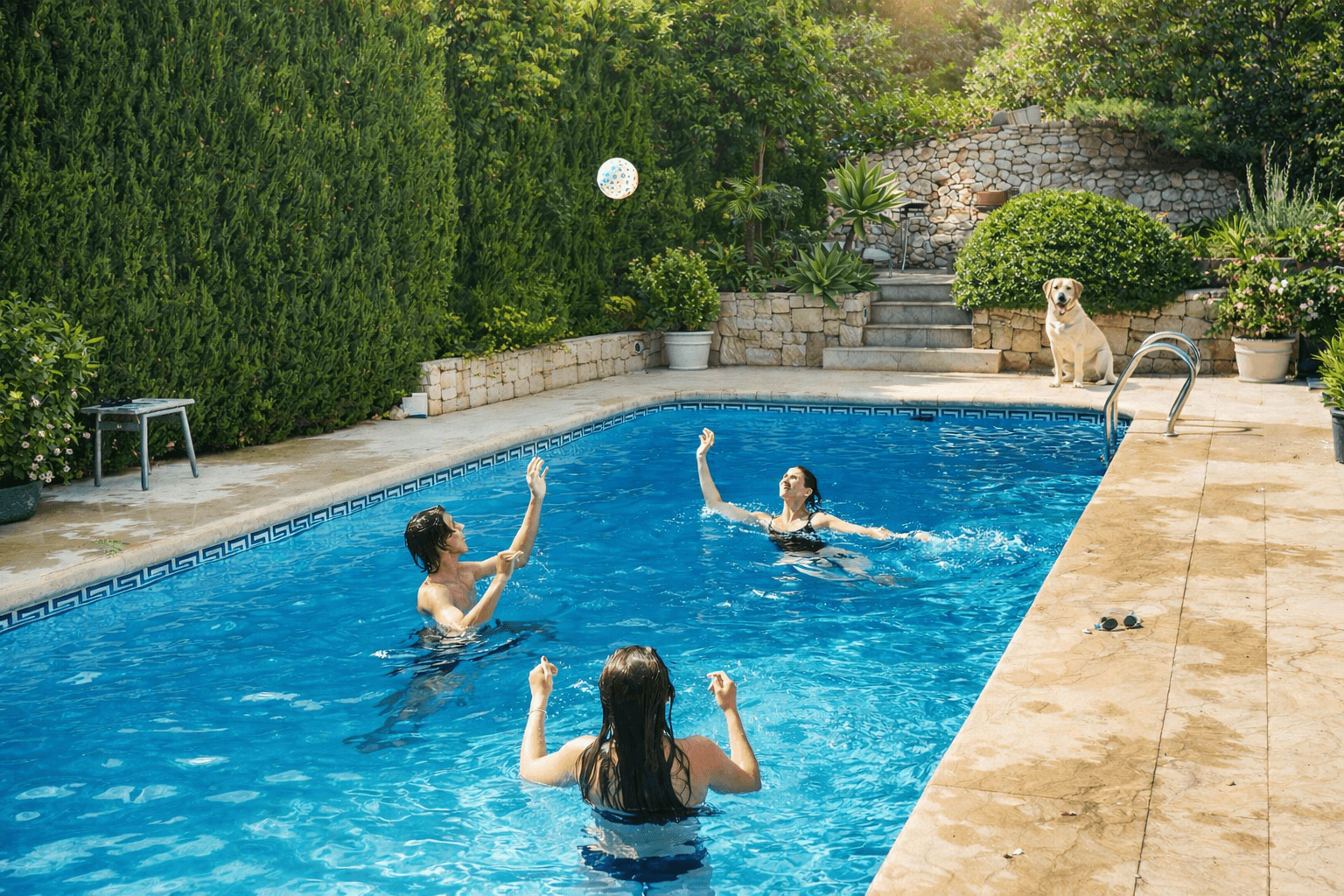
Maintaining crystal-clear, healthy pool water goes far beyond skimming leaves and brushing walls. True pool care starts with proper water chemistry. In Perth and across Western Australia, intense sun, hard water and frequent pool use make chemical balancing especially important for swimmer comfort, equipment longevity, and water clarity.
This guide walks you through everything you need to know about pool chemistry from testing your water regularly to balancing pH, sanitiser and other key chemicals so you can enjoy a clean, safe swimming environment all year round.
⭐ Why Proper Pool Chemistry Matters
Balanced pool water isn’t just nice to look at — it’s essential for:
Swimmer comfort: Proper chemistry prevents red, itchy eyes and irritation.
Sanitation: Balanced water allows chlorine and other sanitisers to work effectively against algae, bacteria and germs.
Equipment protection: Incorrect chemistry can corrode metal fittings, damage pool surfaces and shorten the life of pumps and filters.
Longer-lasting water clarity: Balanced water reduces cloudiness, scaling, and stains.
In WA’s climate, this is extra important extreme temperatures and higher evaporation rates can cause chemical levels to shift more quickly than in milder regions.
🧪 The 5 Key Pool Water Chemistry Components
1. pH Level
Ideal range: 7.2 – 7.6
What it does: Measures how acidic or alkaline your water is. When pH is too high, chlorine becomes less effective; if too low, water becomes corrosive and uncomfortable.
Pro tip: Test pH levels at least once per week, and more during hot summer months.
2. Free Chlorine (Sanitiser)
Ideal range: 1 – 3 ppm (parts per million)
Purpose: Kills bacteria, algae and harmful microbes.
Chlorine is available in multiple forms tablets, granules or liquid and can be delivered manually or via automated systems like saltwater chlorinators.
3. Total Alkalinity
Ideal range: 80 – 120 ppm
Purpose: Acts as a buffer that stabilises pH levels to prevent sudden swings.
Low alkalinity can cause unstable pH, while high alkalinity can make pH adjustments difficult.
4. Calcium Hardness
Ideal range: 200 – 400 ppm
Purpose: Prevents corrosion (too low) and scaling (too high).
Calcium affects water feel and surface protection, especially in concrete or tiled pools.
5. Stabiliser (Cyanuric Acid)
Ideal range: 30 – 50 ppm
Purpose: Protects chlorine from being degraded by strong UV rays especially crucial in WA’s intense sunshine.
🧠 Step-by-Step Chemical Balancing
1. Test Your Water First
Use a reliable test kit or strips to check pH, chlorine, alkalinity and stabiliser levels before adding any chemicals. This helps you understand what adjustments are needed.
2. Balance pH and Alkalinity
Always start by adjusting total alkalinity first, because it helps stabilise the pH. Then fine-tune the pH to your ideal range.
3. Add Sanitisers
Add chlorine or your chosen sanitiser after your pH is balanced. In WA’s heat, chlorine is used up more quickly, so more frequent monitoring is needed.
4. Add Specialty Chemicals Last
Only after stabilising pH and chlorine should you add other chemicals like calcium increasers, algaecides or clarifiers.
🗓 How Often to Test & Adjust
Weekly tests during regular use
2-3 times/week during peak summer or high pool traffic periods
After heavy rain, storms or heavy use check levels again to ensure balance
Regular testing helps avoid large swings that can lead to algae outbreaks or cloudy water.
🧼 DIY Maintenance Tips
To make chemical balancing easier:
Run your pump daily so chemicals are evenly distributed.
Skim and brush debris before testing organic matter can throw off your readings.
Shock your pool regularly (especially after heavy use or weather events) to eliminate contaminants.
🧰 When to Call a Professional
Every pool owner can handle basic testing and maintenance. But if you’re unsure about chemical adjustments, severe imbalances, or persistent algae/cloudiness, a professional pool maintenance service ensures:
Accurate chemical analysis
Safe handling and dosing
Optimised balance for local conditions
Peace of mind
🏊♂️ Final Thoughts
Understanding and maintaining pool chemical balance is one of the most important steps to keeping your pool safe, clear, and comfortable especially in Perth’s strong sun and WA’s warmer climate. By testing regularly, knowing your ideal ranges, and responding promptly when adjustments are needed, you’ll enjoy cleaner water, fewer issues, and more time relaxing in your pool.