Ultimate Pressure Washing Guide: DIY Tips & When to Hire a Pro
15min read
Ultimate Pressure Washing Guide: DIY Tips & When to Hire a Pro
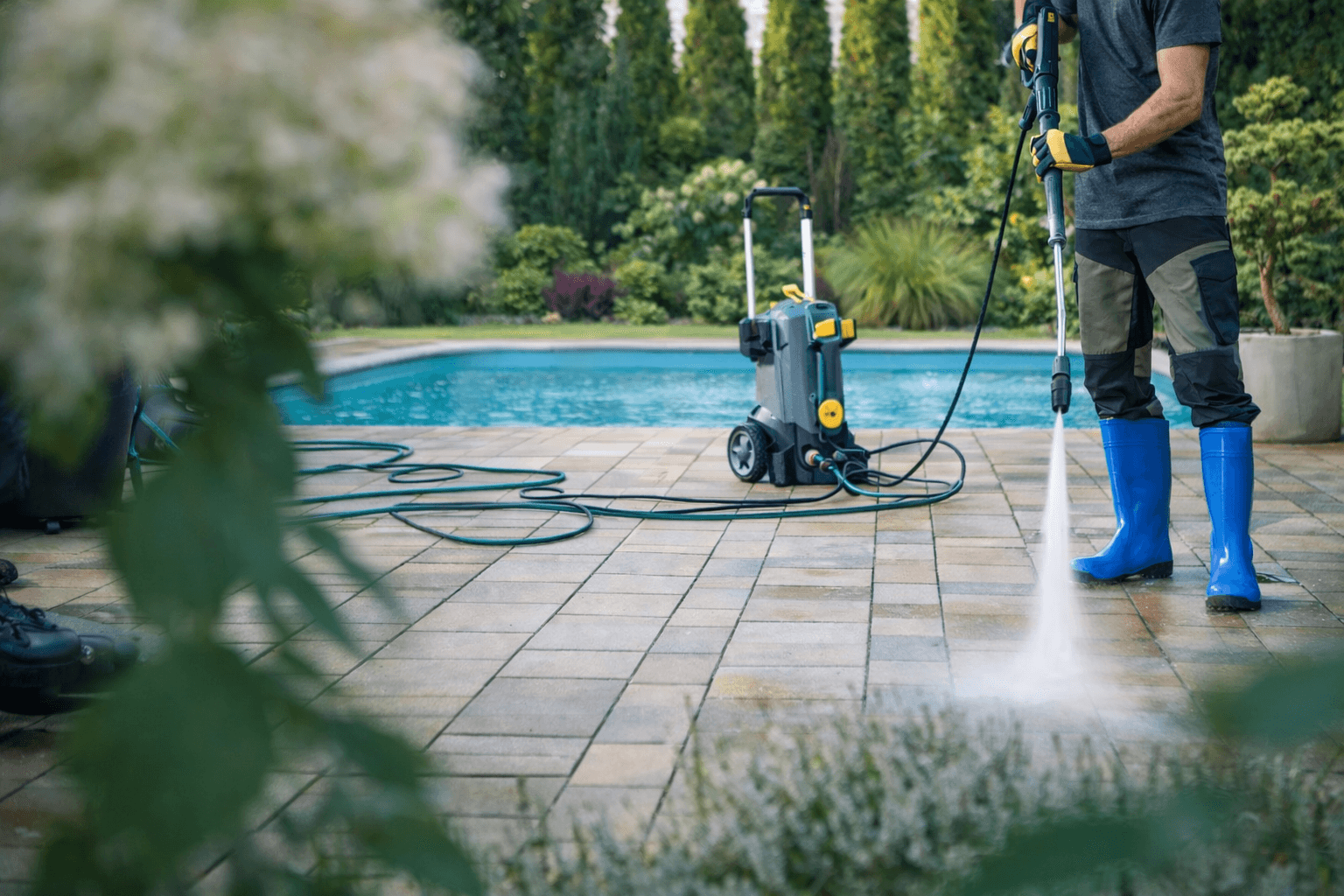
Pressure washing is one of the most effective ways to refresh your home’s exterior. From driveways and patios to roofs, walls, and fences, the right clean can dramatically improve appearance, prevent long-term damage, and even increase property value.
But pressure washing isn’t as simple as pointing a machine and pulling the trigger. Used incorrectly, it can damage surfaces, force water into structures, or create serious safety risks. This guide breaks down when pressure washing is safe to DIY, when it’s better left to professionals, and how to make the right decision for your home.
What Is Pressure Washing (and Why It Works)
Pressure washing uses high-pressure water to remove dirt, mould, algae, moss, grease, and other contaminants from exterior surfaces. It’s especially effective in Australia’s climate, where heat and moisture accelerate organic growth.
Professional cleaners often use a combination of:
Correct pressure levels for each surface
Specialised detergents or treatments
Soft-wash systems for delicate materials
The key is matching the method to the surface; something that is often overlooked.
Surfaces You Can Usually Pressure Wash Yourself
If done carefully, some areas are relatively DIY-friendly:
Driveways & Concrete Paths
Concrete is durable and handles pressure well. A basic pressure washer can remove dirt, tyre marks, and light oil stains.
Tips:
Use a wide fan nozzle, not a pinpoint jet
Keep the wand moving to avoid etching
Wear proper footwear — wet concrete is slippery
Pavers & Brick (With Care)
Pavers can be pressure washed, but excessive pressure can remove jointing sand and destabilise them.
Best practice:
Lower pressure settings
Re-sand joints after cleaning
Avoid blasting edges directly
Outdoor Furniture & Fences
Timber and composite furniture can be cleaned, but only at very low pressure.
Where DIY Pressure Washing Goes Wrong
This is where most damage occurs.
Roofs
High pressure can:
Strip protective coatings
Crack tiles
Force water under roofing materials
Roof cleaning should almost always use soft washing, not high pressure.
Windows & Seals
Direct pressure can damage seals, frames, and glass — especially on older homes.
Gutters
Pressure washing gutters without proper flow control can:
Push debris into downpipes
Cause water overflow into roof cavities
Painted Surfaces
Paint can peel or blister if pressure is too high or the nozzle is held too close.
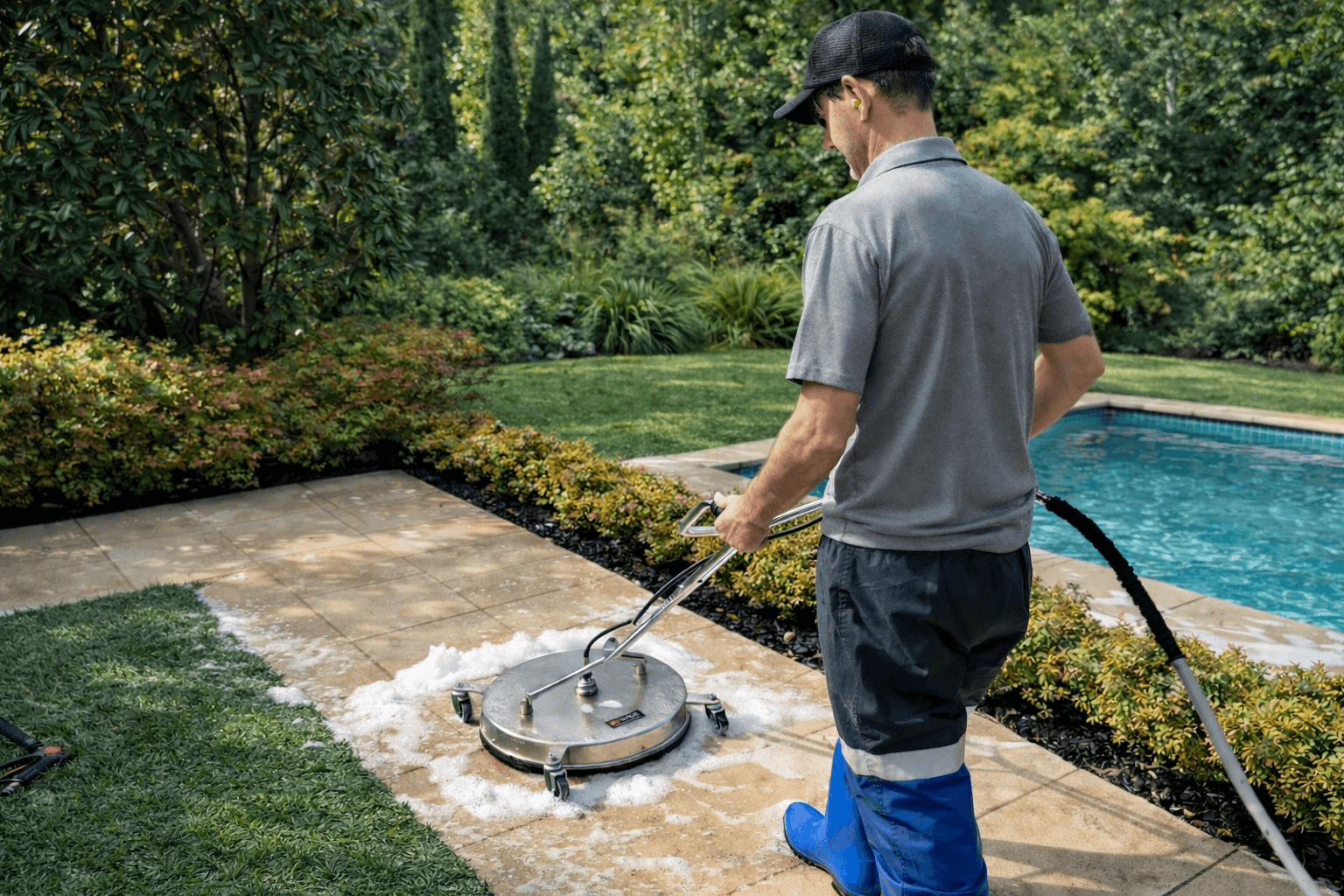
Safety Risks You Shouldn’t Ignore
Pressure washers are powerful tools, and injuries are more common than people realise.
Risks include:
Cuts from high-pressure water
Slips and falls on wet surfaces
Ladder accidents
Electric shock from improper use
Professional cleaners are trained, insured, and equipped to manage these risks safely.
DIY vs Professional Pressure Washing: Key Differences
DIY | Professional |
Limited pressure control | Surface-specific pressure & methods |
No insurance cover | Fully insured |
Risk of surface damage | Damage-prevention techniques |
Time-consuming | Fast and efficient |
Basic results | Deep, long-lasting clean |
*Don't worry we are here to help
When Hiring a Professional Is the Smarter Choice
You should strongly consider a professional cleaner if:
You’re cleaning a roof, gutters, or windows
Mould, algae, or lichen is heavy or widespread
The property is double-storey or hard to access
You want long-term protection, not just appearance
You want peace of mind and guaranteed results
Professionals also know when not to use high pressure and instead apply soft-wash treatments that kill organic growth at the root.
Cost Considerations: DIY vs Professional
DIY pressure washing may seem cheaper upfront, but hidden costs add up:
Machine hire or purchase
Cleaning chemicals
Repairs from accidental damage
Time investment
Professional services deliver better results in one visit, often extending the time between cleans — saving money long-term.
Final Thoughts: Making the Right Choice for Your Home
Pressure washing is a powerful maintenance tool, but only when used correctly. For simple ground-level surfaces, DIY can work. For roofs, gutters, windows, and full exterior cleans, professional services offer safer, longer-lasting results with far less risk.
If you’re unsure, the safest approach is to have a professional assess the surface first — it can prevent costly mistakes and protect your property.
You've got this.